



I’m back with Stacey Vanek Smith for another episode of Off the Clock. This is the show where we pick through a week’s worth of confusing economic news and let you know what you should actually worry about, what you can safely ignore, and where to look for silver linings.
First up, we talked inflation, which came in at 3.4% last month — not great, but not terrible. The part that really stings is prices are rising faster than wages, which means the average American paycheck it buys less than it did a year ago.
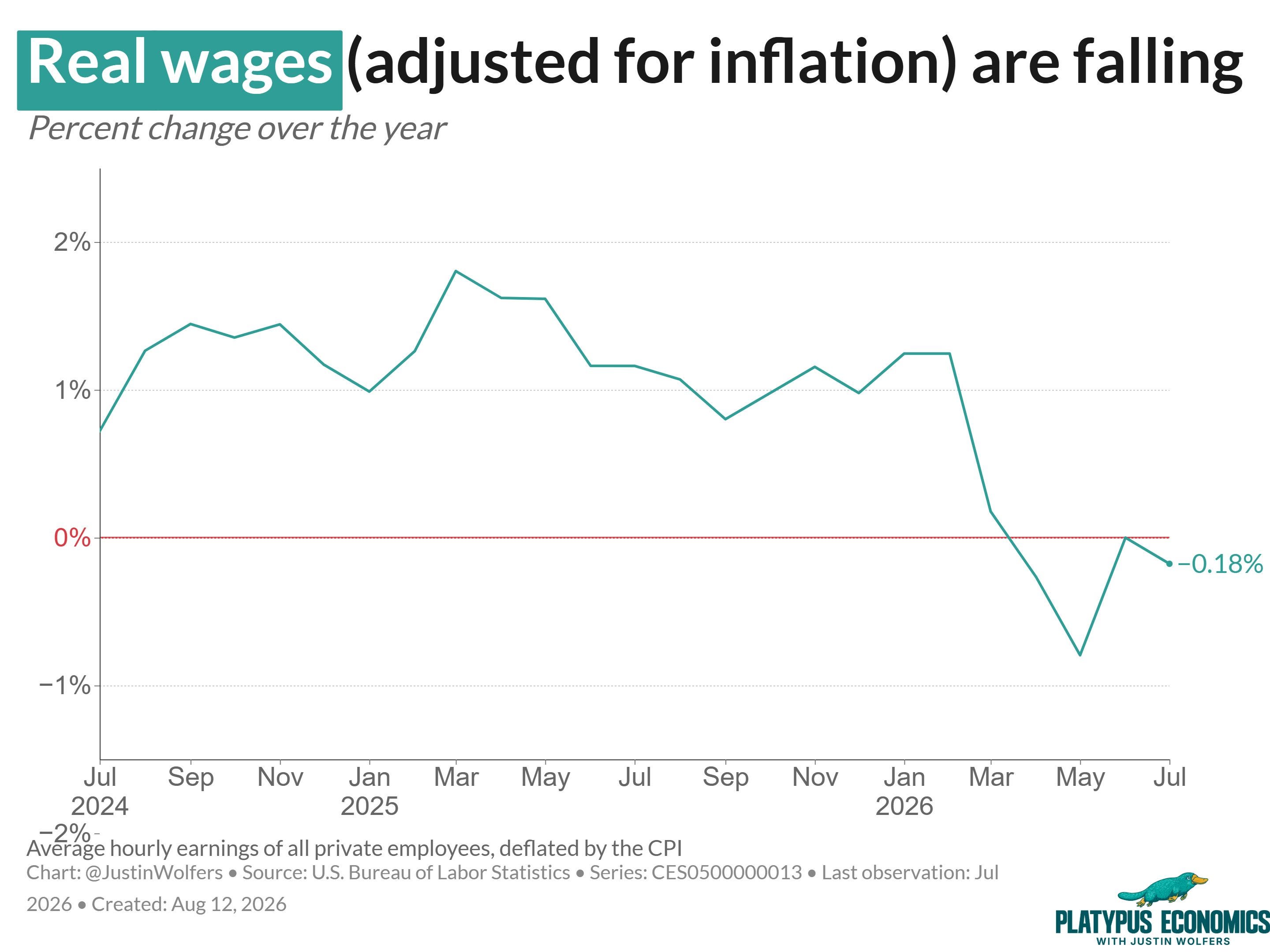
Ultimately, these numbers didn’t do much to change our understanding of the economy right now. Nor do they make the Fed’s next decision any easier to predict. (And Silent Kevin is no help here.)

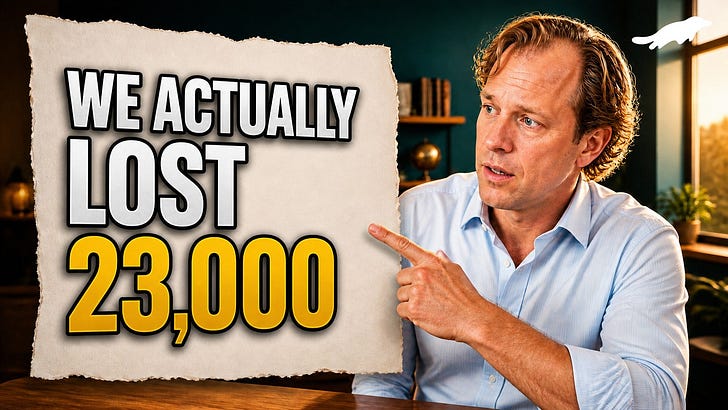
Next, we discussed why the July jobs report was a real jolt. The economy lost 23,000 jobs when forecasters had expected a gain of 80,000. And with revisions to earlier months, the overall picture of the labor market is a lot less rosy than what most economists had previously believed.
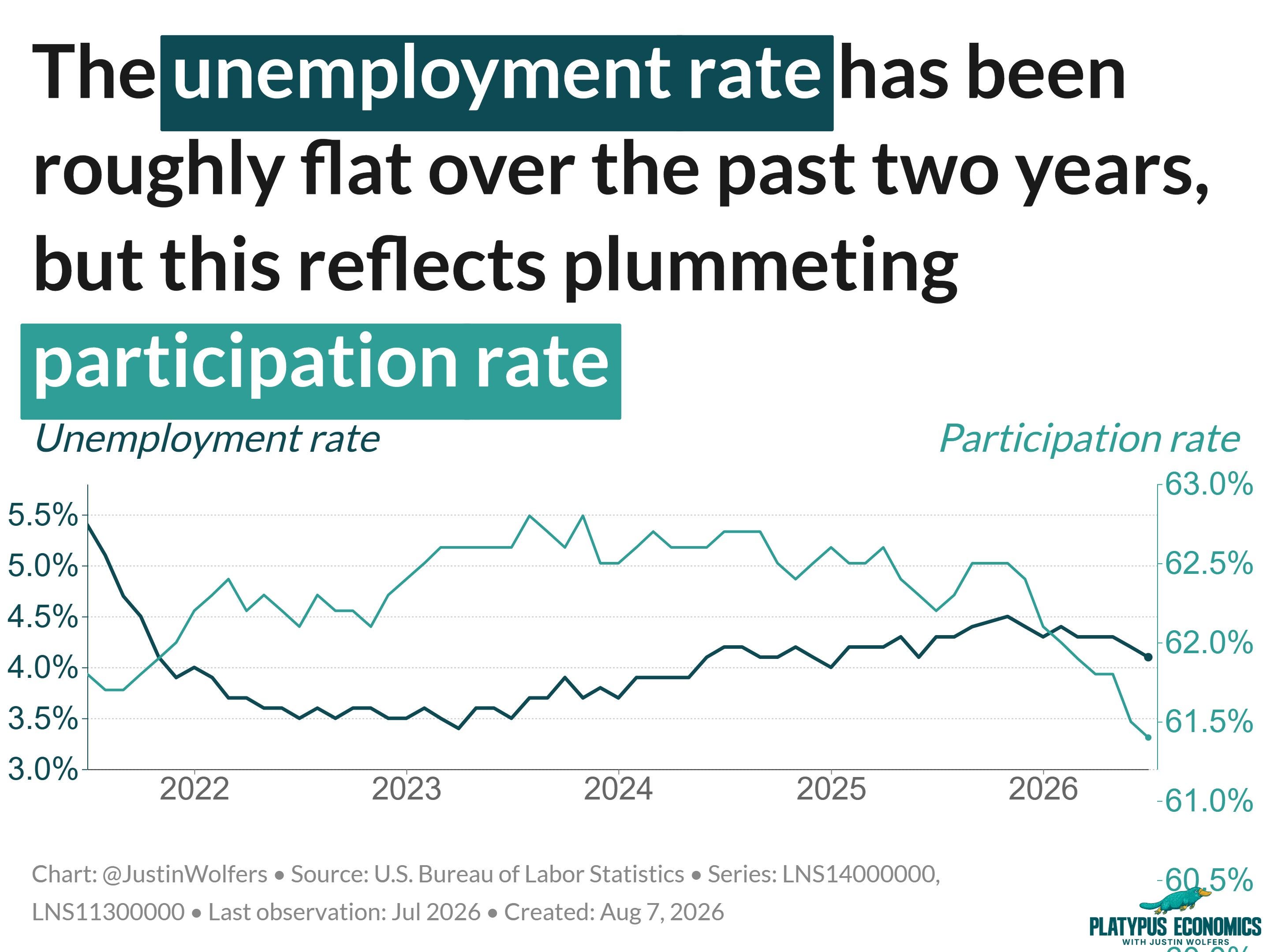
And yet — unemployment stayed low. A declining labor force participation rate explains much of this. But stalled population growth is another important explanation. Namely, a sharp drop in immigration has lowered the “break-even” number of jobs our economy now needs to keep unemployment steady.
Stacey then bought in some of her reporting on lab-grown diamonds, which have completely upended prices in this luxury industry. (I was shocked: A roughly $6,000 stone now sells for $10 at Walmart.) This prompted a fascinating discussion on the diamond-water paradox, thinking at the margin, and why the AI shock to “cognitive work” may be the labor market’s version of the same thing.
Finally, we capped off this week’s episode with another round of Chart versus Chart — be sure to vote for your favorite below:
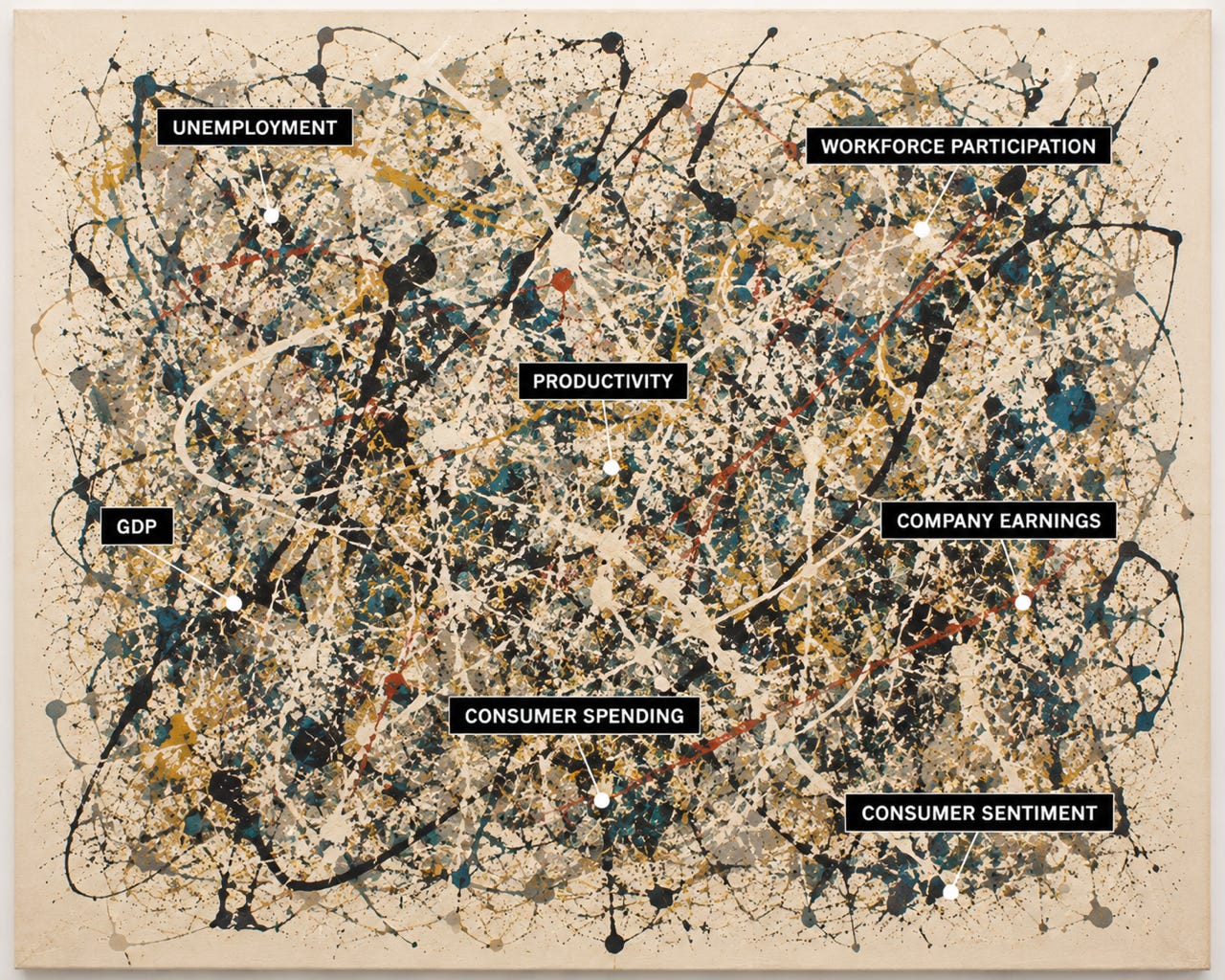
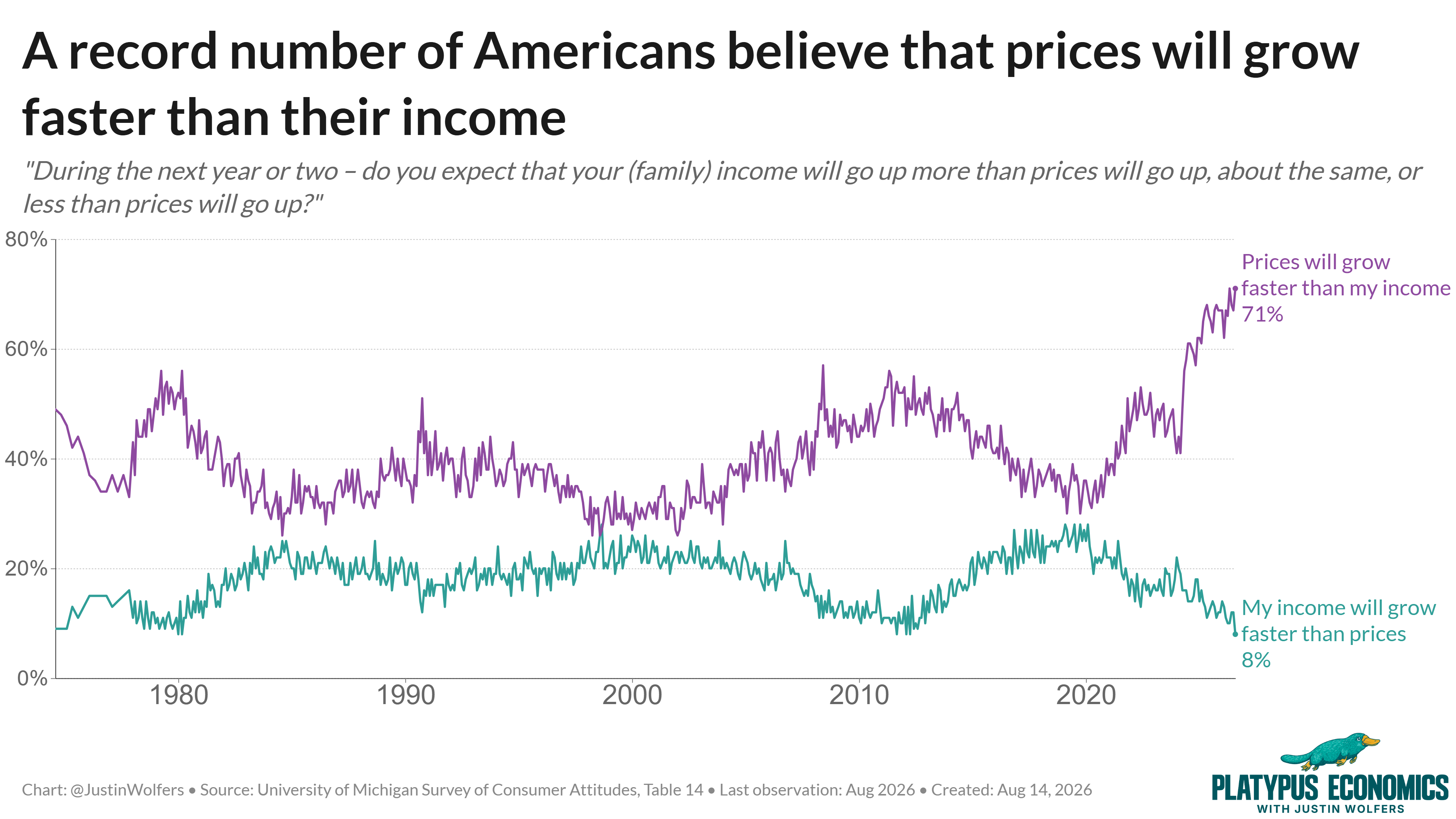
Oh my gosh, who wouldn't vote for the chart showing chaos over common sense in this era??
This discussion and charts makes me wonder whether the "normal" ways we measure the economy are no longer valid, especially longitudinal results when the underlying conditions change dramatically?
Does GDP reflect the economic production of our whole country when we largely produce "services" or intellectual property? Do unemployment numbers tell us anything about productivity or employment options when they can be affected by deporting millions of workers that don't have the right documentation or when millions of seniors retire? Do these traditional standard measures of our economic health tell us anything usable in the chaos of today?
In that light, Stacey's chart seems to give us a better picture than the Fed does.
That said, what are more valid measurements that help us make sense of the state of our economy today?