


The United States is trying to stop Iran from exporting energy. We’ve slapped sanctions on them. Our warships are enforcing a blockade. And we’ve told the rest of the world, in no uncertain terms: don’t buy energy from Iran. Or else!
We’re running the same play with Russia. Last Friday, the president signed a new law designed to make it harder for Russia to earn a single cent exporting energy. We’ve cranked up sanctions on Russian energy projects and the shadow fleet of tankers Russia uses to move oil around the world.
The reason that we work so hard to block countries like Russia and Iran from exporting energy is because those energy exports make countries richer. They bring in money, they support jobs. They pay for investment. So stopping that process is a powerful weapon.
And now the president has found another country he wants to point this weapon at. The United States.
I’m not kidding. President Trump wants to ban America from exporting diesel.
Wow. That might be my whole analysis.
The specifics of this policy seem to be a bit of a mystery to the rest of the administration. Every time someone tries to clarify, it gets murkier.
On Tuesday, the president said we shouldn’t send out diesel. That’s the export ban. Treasury Secretary Scott Bessent said they were studying whether a full or partial ban would work. Then on Wednesday, we got reports of a possible 90-day temporary diesel export ban, followed by a White House denial. Energy Secretary Chris Wright came out and said a blanket ban wouldn’t work.
Honestly, I just can’t sort these blokes out. But I can sort out the economics.
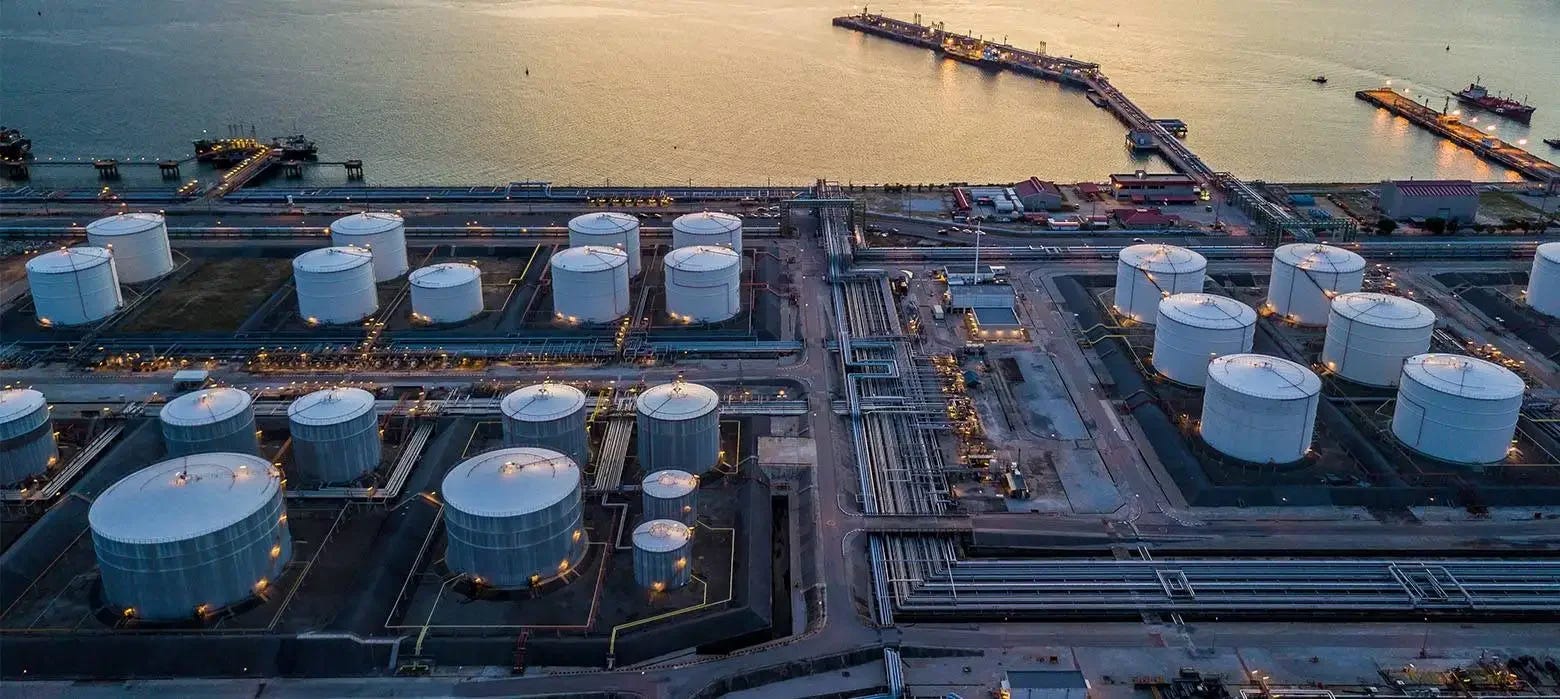
A diesel tank is a time machine
Let’s say you run a refinery on the Gulf Coast. You’ve got diesel in your tanks. You know the world’s short of diesel. And you know foreign buyers are probably going to be willing to pay a high price for that diesel the moment this ban ends in late December.
So here’s the question. Do you want to sell that diesel cheaply in the United States in October? Or do you want to keep it in the tanks and sell it at a high price to foreigners or Americans when you’re allowed to do that again in December?
An export ban doesn’t mean you have to sell domestically. You can just keep your diesel in storage, wait out the ban, and sell it into the world market when the ban lifts.
Storing diesel does cost money. You need tanks, you tie up capital, you risk that the ban might get extended. So firms are going to weigh up those costs against the huge benefit that they’re going to be able to sell their diesel at a higher price in the future.
A temporary ban doesn’t force refiners to flood America with bargain diesel tomorrow. Diesel right next to an export terminal in Texas does not automatically become cheap diesel for a farmer in Iowa, or a trucker in Pennsylvania.
It could instead just become diesel in a storage tank, waiting to be sold at a higher price on the world market.
Notice the political trick: a 90-day ban is meant to get diesel prices down through the midterms. The fact that the ban ends after the election gives refineries every reason to hold the diesel back for later.
So the White House hopes that they’ll keep the diesel in the U.S., prices will fall, and everyone will feel relief. But I reckon the diesel market sees something else — a temporary rule — and they understand that in a future world, the price of diesel is going to rise. That creates an enormous incentive to wait.
Refineries are like butchers
The input for a refinery is crude oil. That refinery doesn’t just take crude in at one end and then pick between diesel and gasoline. It takes crude oil and then it produces a whole bunch of products. It’s like a butcher. You can’t just process the cow so there’s more ribeye and less brisket. Your job as a butcher is to break it down and sell all that meat.
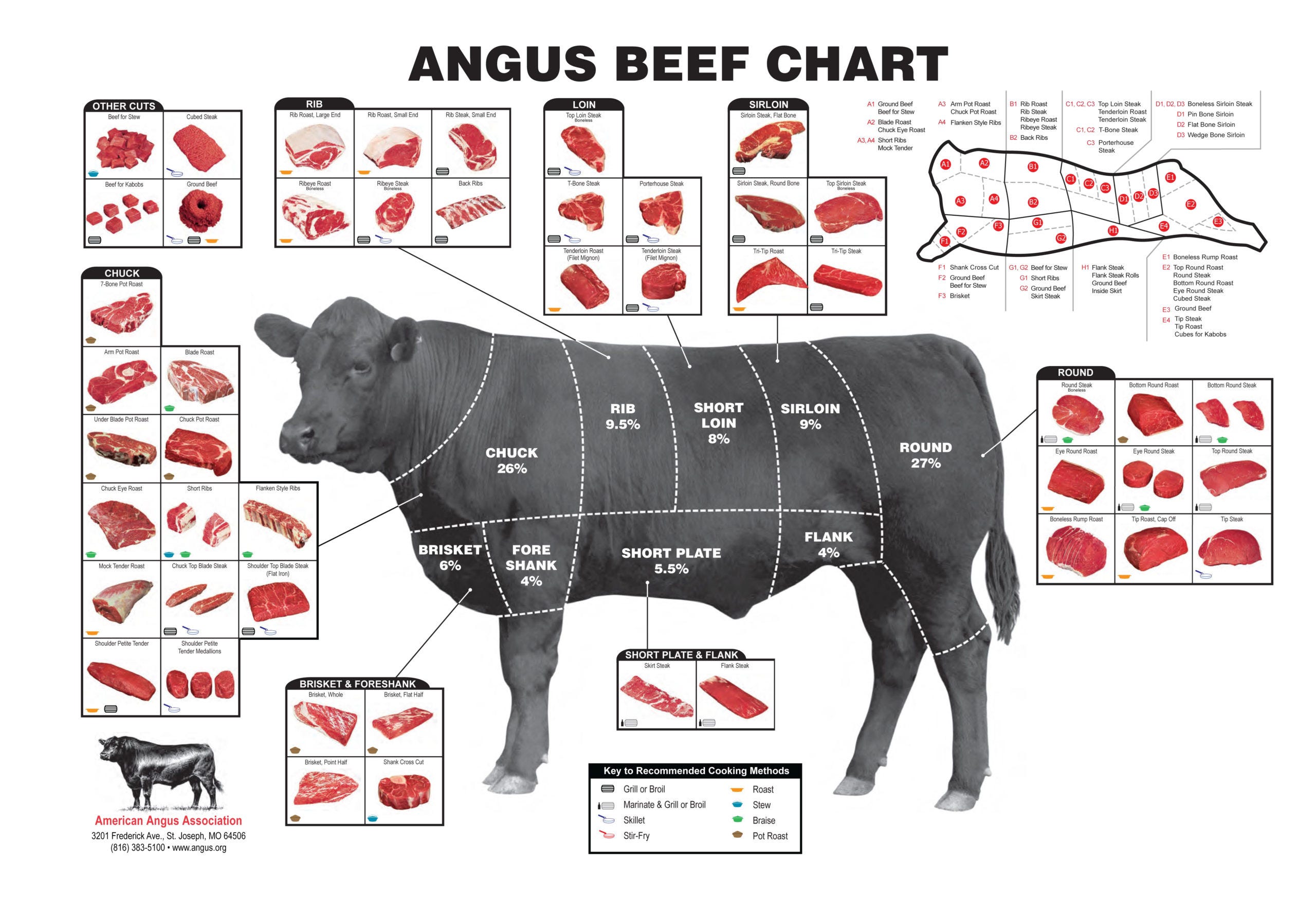
It’s not a perfect analogy. A refinery can shift the mix of its output slightly. And we’ve seen that before. The demand for gasoline and jet fuel collapsed during the COVID-19 lockdowns, because no one was driving and no one was taking planes.
American refineries responded to the collapse in demand in two ways. First: they processed a whole lot less crude. Business as usual — selling crude, turning it into stuff — simply got less profitable. So they put less into the machine and they got less of everything out. It really was that simple.
The second thing they did is they changed the mix. That meant less gasoline and jet fuel and more diesel.
The White House is now attempting to run that play, but in reverse. They’re making diesel less profitable. That could help gasoline consumers a little, though it would also undermine the whole White House dream of a giant cheap diesel surplus.
But the much bigger issue here is refinery economics. If one of your major products suddenly becomes hard to sell, running the whole refinery becomes less profitable. And then you run less crude. Energy Secretary Chris Wright actually said this on Wednesday: “you run out of places to store it, and you have to reduce U.S. refining, which would put upward pressure on gasoline prices and jet fuel prices.”
The policy is designed to make diesel cheap. But if it makes it less profitable to run your refinery, you’re going to make less gasoline. That’s the stuff you and I use. And gasoline, which we’re already paying way too much for, gets a whole lot more expensive.
Keep in mind, this isn’t just a theory that I came up with. The good nerds at S&P Global CERA modeled what a diesel export ban would do. In their analysis, under a complete ban, refiners could end up cutting how much crude they use by nearly two million barrels a day. That’s about 12% of all U.S. refining.
This is aimed at businesses — not ordinary drivers
Now let’s zoom out for a second. If banning diesel exports is meant to help people who buy diesel, then doesn’t the same logic apply to gasoline?
By the logic of this ban, applying it to gasoline would help regular, non-commercial drivers — people who take the kids to school, then to practice, then leave to drive back to the grocery store because someone forgot the milk again (I don’t believe that this would work, by the way).
Both are bad ideas. But notice which bad idea is under discussion here. Diesel gets bought by farmers and trucking companies and railroads and construction firms and manufacturers and logistics businesses. What do those groups have in common? They all have the ear of the White House. And there’s a whole lot of political pressure coming, especially from the farm states where high diesel prices are really hitting harvest costs hard.
The Wall Street Journal called this political battle Iowa versus Texas, farmers versus oil exporters, corn versus crude.
The family filling up the minivan — and mine is a very trendy blue minivan — that family wasn’t even invited to the fight. This is a proposal designed to help business users of fuel rather than consumer users. The diesel fuel export ban could make life harder for folks like you and me by raising what we pay for gas.
Quite a policy.
Americans still pay higher prices
Let’s come back to the roots of this problem. Diesel isn’t expensive because America exports it. Diesel is expensive because the world is short of diesel. Russian refinery damage has cut fuel supply, and the Iran war has disrupted energy production and transport. Shipments through the Strait of Hormuz are still constrained.
Those are the supply problems. A diesel export ban doesn’t reopen the Strait of Hormuz. It doesn’t repair a Russian refinery. It doesn’t add a single drop of diesel to the world. It might move existing diesel to a more electorally convenient address, or a more electorally convenient moment.
The rest of the world will take note of this. If we end up holding our diesel back from the world market, we raise the world price of diesel. That’s a problem for the rest of the world — and it’s a problem for us! There are parts of the U.S. market that import from the world market. It’s especially true on the East Coast. If we raise world prices, East Coast businesses may have to pay for that. It could all bite us in the bum.
That’s the short run. But there’s a long run problem here too. If foreign buyers learn that American diesel comes with a political cancellation clause, they’re going to go looking elsewhere. Countries are going to diversify suppliers. They might also look for leverage against the United States — and some of those countries might find it. China’s used export controls on rare earths and other critical materials when trade disputes turn ugly. Those minerals and magnets sit inside stuff that America needs: our cars, our semiconductors, our advanced weapons. China’s not going to need to cut off every shipment to make its point. It just needs to remind American firms that two can play at this game.
That’s how export restrictions spread. One country says: keep it here! Another says: fine, we’ll keep our stuff here too. You’ve already seen this movie. The first round of the trade war was about restricting imports. When we restricted imports, other countries retaliated and restricted their imports. Now we’re restricting exports. The end game of all this is we may not get the supplies we need.
What if this came from Brussels?
Imagine Trump had never thought of a diesel export ban. Imagine instead that the European Union announced that Europeans were forbidden from buying American diesel.
That would be the same policy, the same refinery effects, and the same loss of American export income. The only difference is it would be announced by a different politician. But how do you reckon President Trump would respond?
We don’t need to rearrange scarcity here. We need to solve it. This policy just rearranges it, at the cost of ordinary people.
I was in the fuel business and this was a great article.thanks
Trump is the smartest man on the planet so I think he is going to do. Chill Wills has nothing on this guy (see Dr. Strangelove).