
Why A Hot Jobs Report Spooked Wall Street
Unpacking the Numbers with Ed Elson
The May jobs report was, frankly, really good news—172,000 jobs added, more than double what forecasters expected, and three strong months in a row averaging around 188,000. A lot of my liberal friends have suggested this couldn’t possibly be true. But I’m an empiricist, and my job is to read the data as honestly as possible. There’s no gain in pretending strong numbers are weak, or fake, or anything else.
I joined Ed Elson today on Prof G Markets to walk through what these numbers actually say, push back on some of the skepticism (stay tuned — I’m going to say a lot more about this tomorrow), and explain how healthcare and social services is propping up the job market.
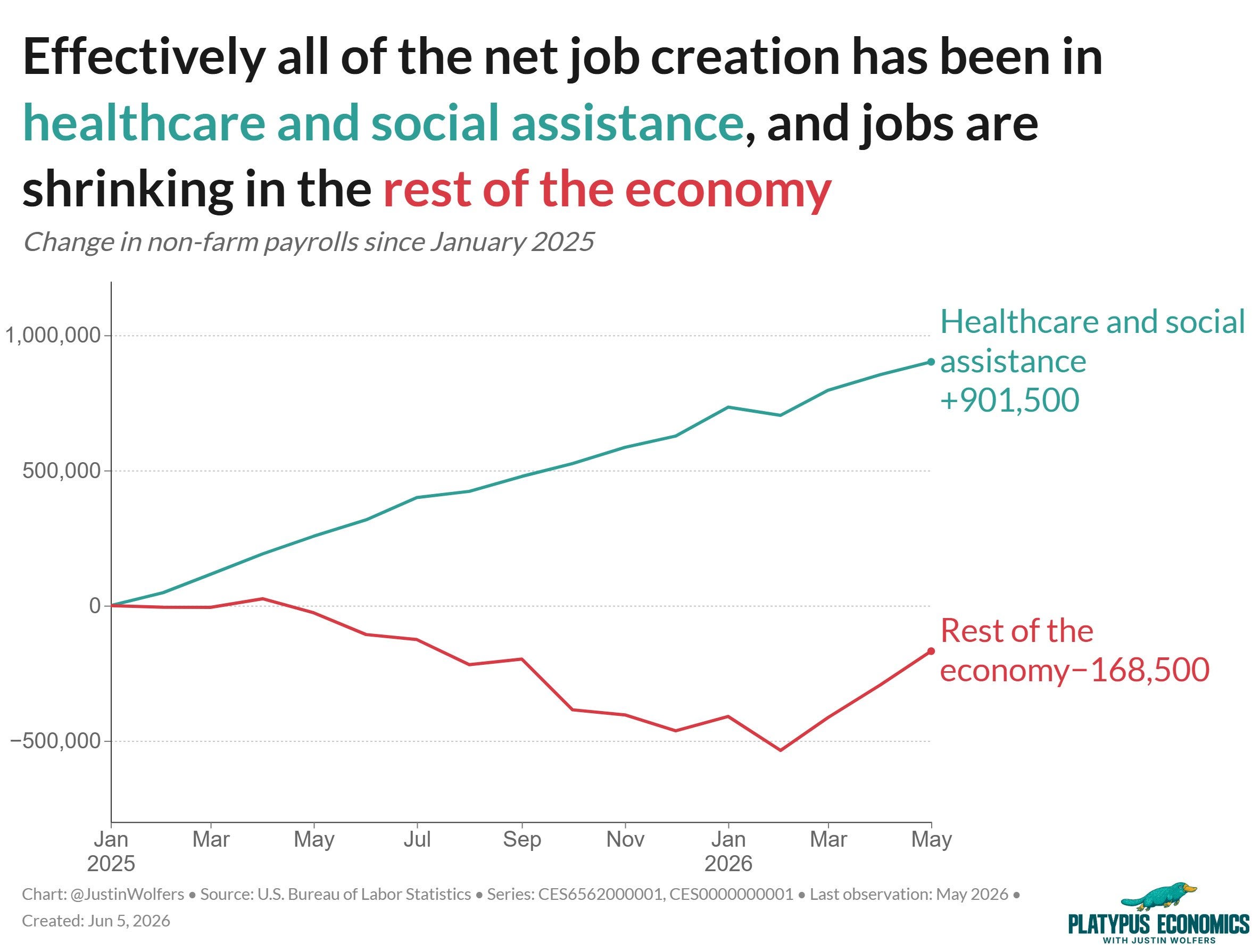
I also get into why markets sold off on what should have been a celebratory Friday. A strong jobs report changes the Fed’s calculus on interest rates—lifting the odds of a hike. Suddenly, those long-horizon AI bets start looking a lot less attractive.
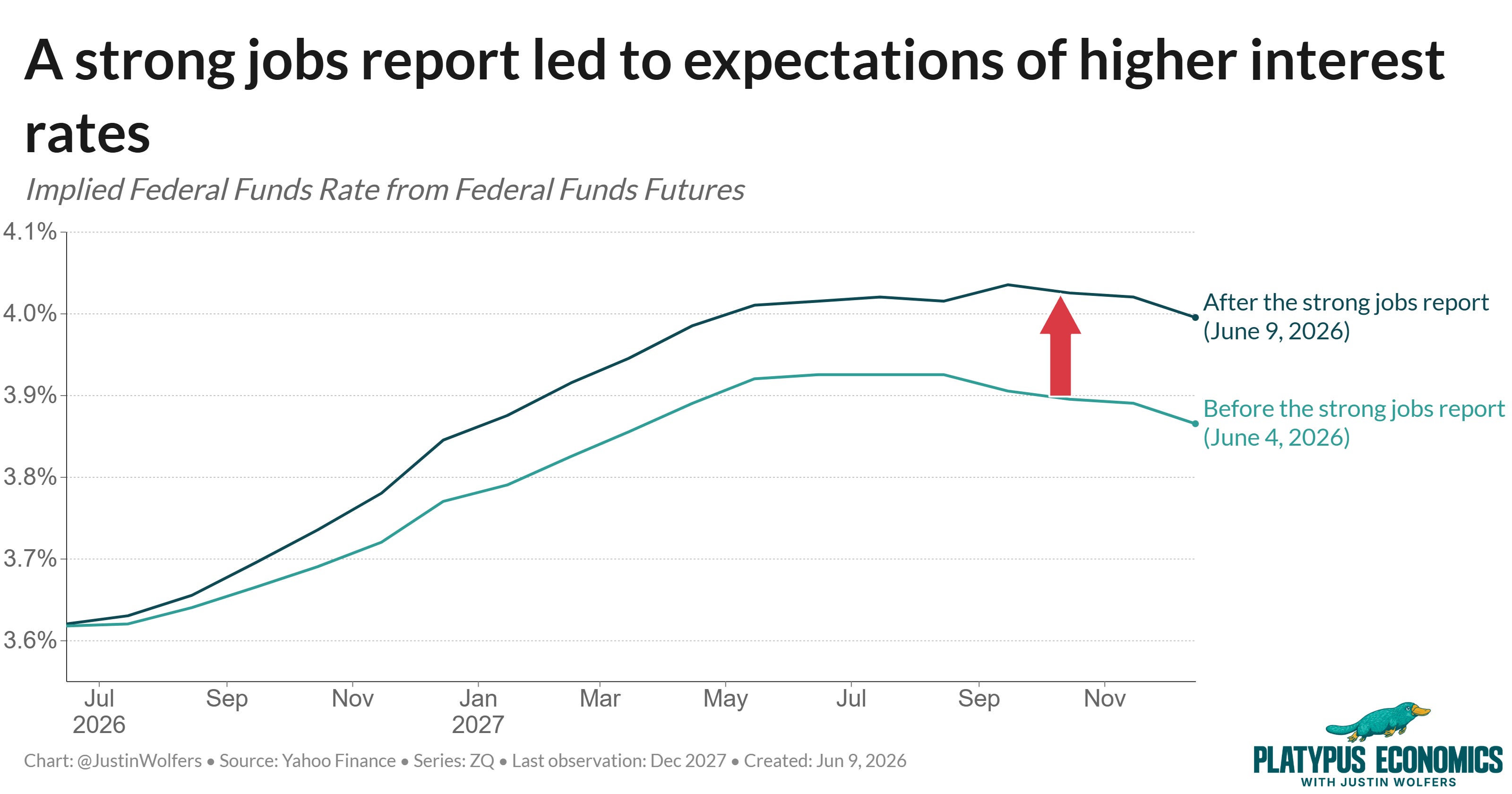
We also dig into the real wages story, which is going to generate a lot of breathless think pieces over the coming weeks—and I want to give you the tools to read those pieces a bit more critically.


Gold As Largest US Asset
Why doesn't address the underlying gold issue from a macroeconomic perspective seeking “an attempt by many countries to seek alternatives to the US dollar.” (https://bit.ly/4ogilsc)
Traditionally, US Treasury bonds, or just US Treasuries, have made up the majority of countries' reserve assets, which Storbeck and Hook noted are the “highly liquid holdings that central banks use to support their currencies, meet international payment obligations and provide liquidity in times of financial turmoil.”
The US dollar is currently the world’s de facto reserve currency. The majority of global trade is settled in dollars. However, the desire to continue to use the American dollar as the world’s reserve currency has been challenged recently.
“Geopolitical tensions continue to drive strong central bank demand for gold,” explained European Central Bank President Christine Lagarde in the foreword to the June 3rd report. Since 2022, the largest buyers of gold reserves have been China, Poland, Turkey, and India, according to the European Central Bank. Interestingly, in 2025, the biggest single buyer of gold was the stablecoin company Tether, which acquired over 100 tonnes.