


I was putting my son to bed last night when he posed the most lovely question:
What piece or pieces of media — movie, song, book, TV show, article, poem, etc — has really changed how you think? (How you think about life, about the world, or just how you think.)
We had a wonderful chat about his views. Peak #DadLife.
I was also so struck by the delight his question stirred, that I posted it on my socials.
And then I realized, it just isn’t fair if I don’t chime in. So here I am, feeling vulnerable as I share mine with you:
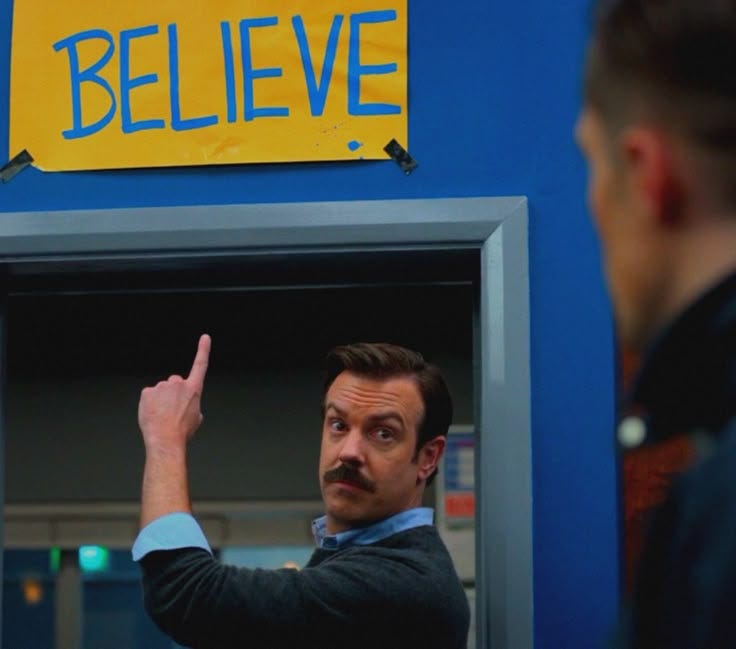
Ted Lasso. I love this TV show for the different — and aspirational — model of masculinity it offers. Ted isn’t simple, he’s thoughtful. He’s vulnerable. He is open about his struggles, including his mental health. He’s a version of masculinity that I wish had been on my screens when I was my son’s age. And he’s the reason that my home studio displays a small ‘Believe’ sign, reminding us that hope’s all around us.
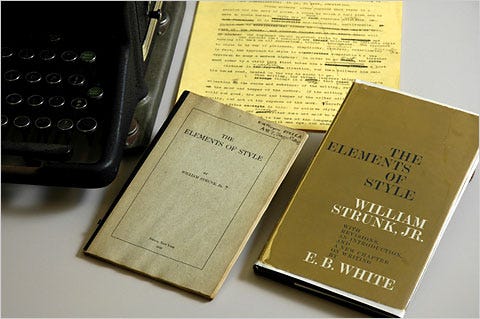
Strunk and White. Yes, it’s weird to include a prescriptive style guide as life changing. But seeing great writers fling around words with reckless precision was eye opening. I’ll never achieve their level, but I try to inch closer. I don’t think they teach it in school any more, so gift it to the youngs in your life.
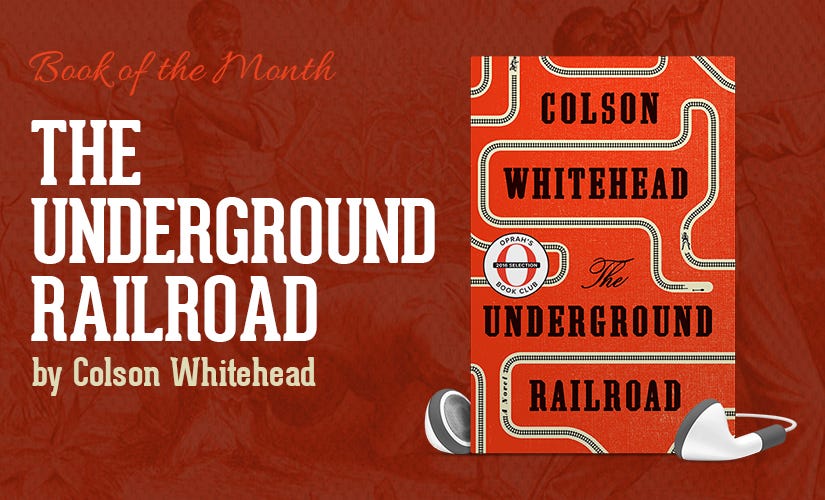
The Underground Railroad, by Colson Whitehead. It made me feel the horrors of slavery deep in my bones. That should be obvious, I know. But I didn’t go to school in the U.S., so I never really had the reading list – or cultural literacy – of most Americans, and my sense of the history of slavery is weaker than most. This book transformed an abstract notion of the stain of slavery into a visceral feeling that will never leave me.
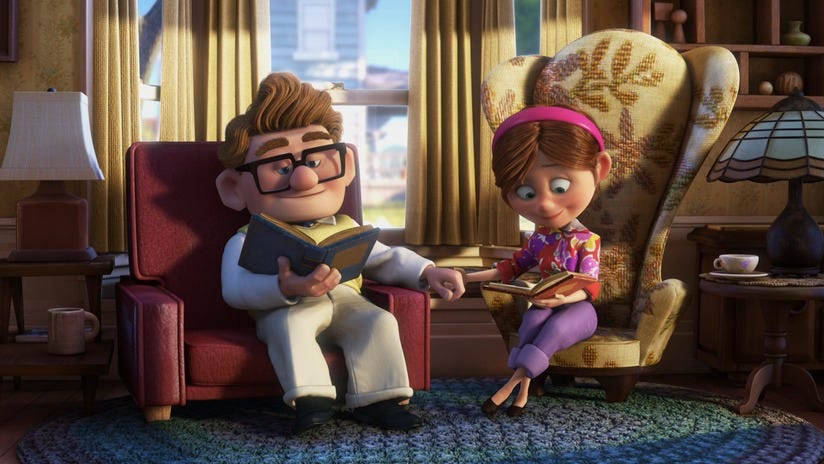
Up. We’ve all wondered what love is – whether we feel it, how we get it and give it, and what it all means. The purest distillation I’ve ever seen is the opening moments of this beautiful Pixar movie. Carl and Ellie’s adventures are an aspirational script for romantic life. #CoupleGoals
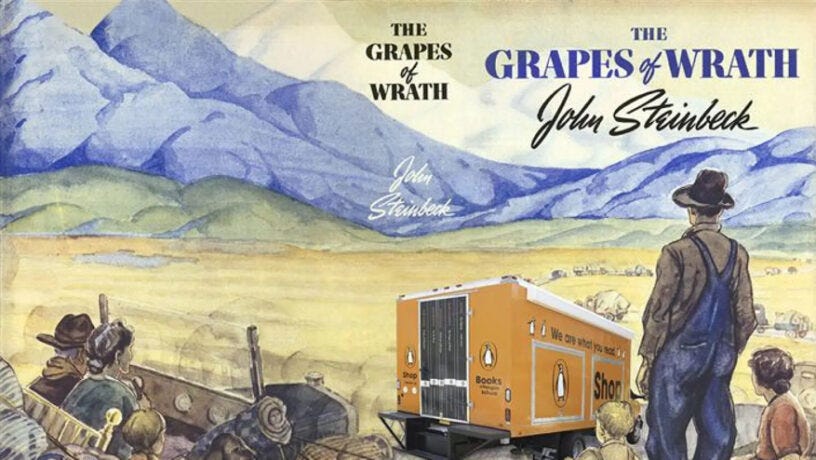
The Grapes of Wrath, by John Steinbeck. If you’ve ever wondered how abstract realities of economics and business cycles translate into life and struggle, injustice and unfairness, and what the work of economics is fundamentally about, start here. I want a better life for the Joads.
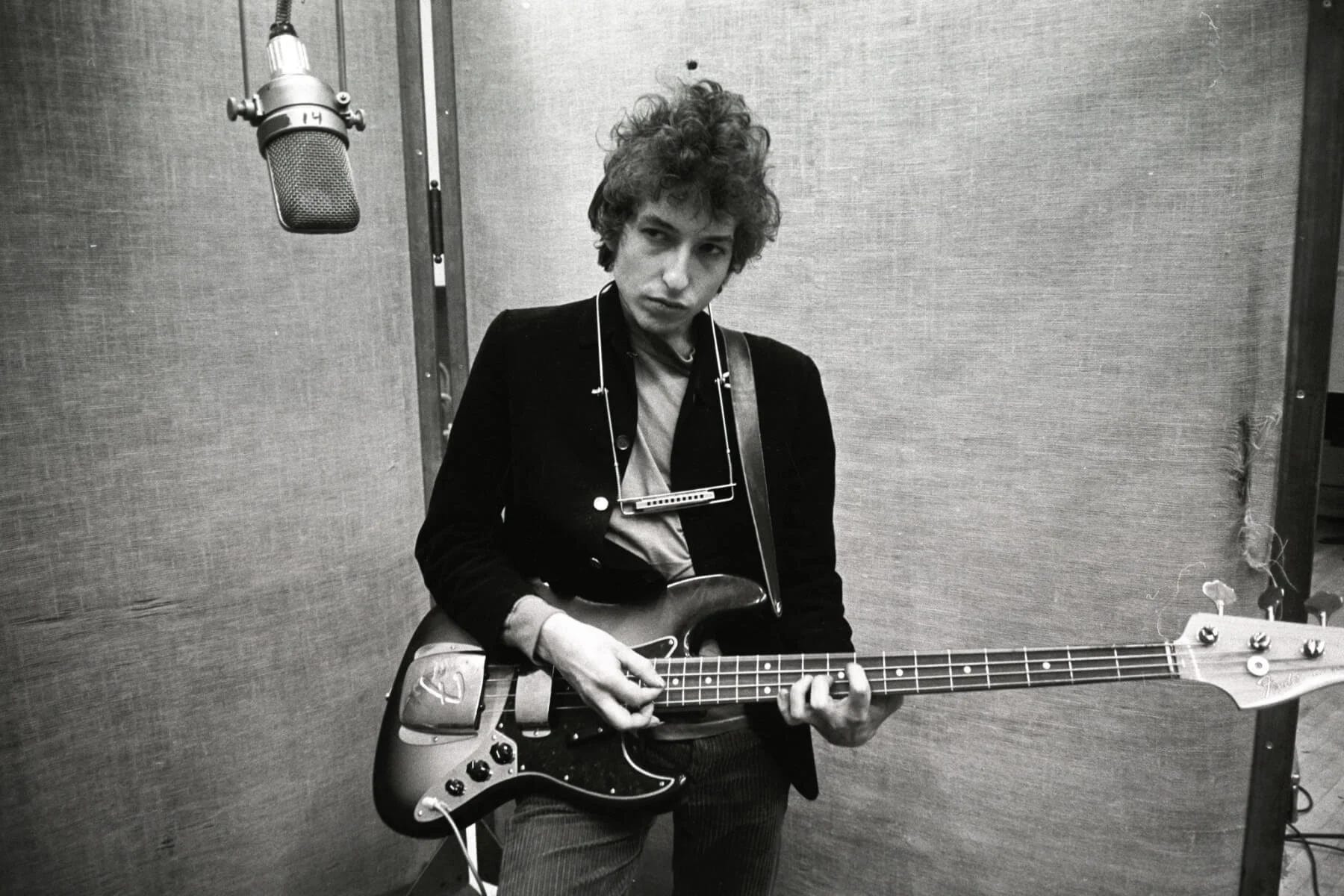
“Desolation Row,” by Bob Dylan. This opening verse has been ringing in my head recently. I’ll leave the reason why as an exercise for the reader:
They’re selling postcards of the hanging
They’re painting the passports brown
The beauty parlor is filled with sailors
The circus is in town
Here comes the blind commissioner
They’ve got him in a trance
One hand is tied to the tight-rope walker
The other is in his pants
And the riot squad, they’re restless
They need somewhere to go
As Lady and I look out tonight
From Desolation Row
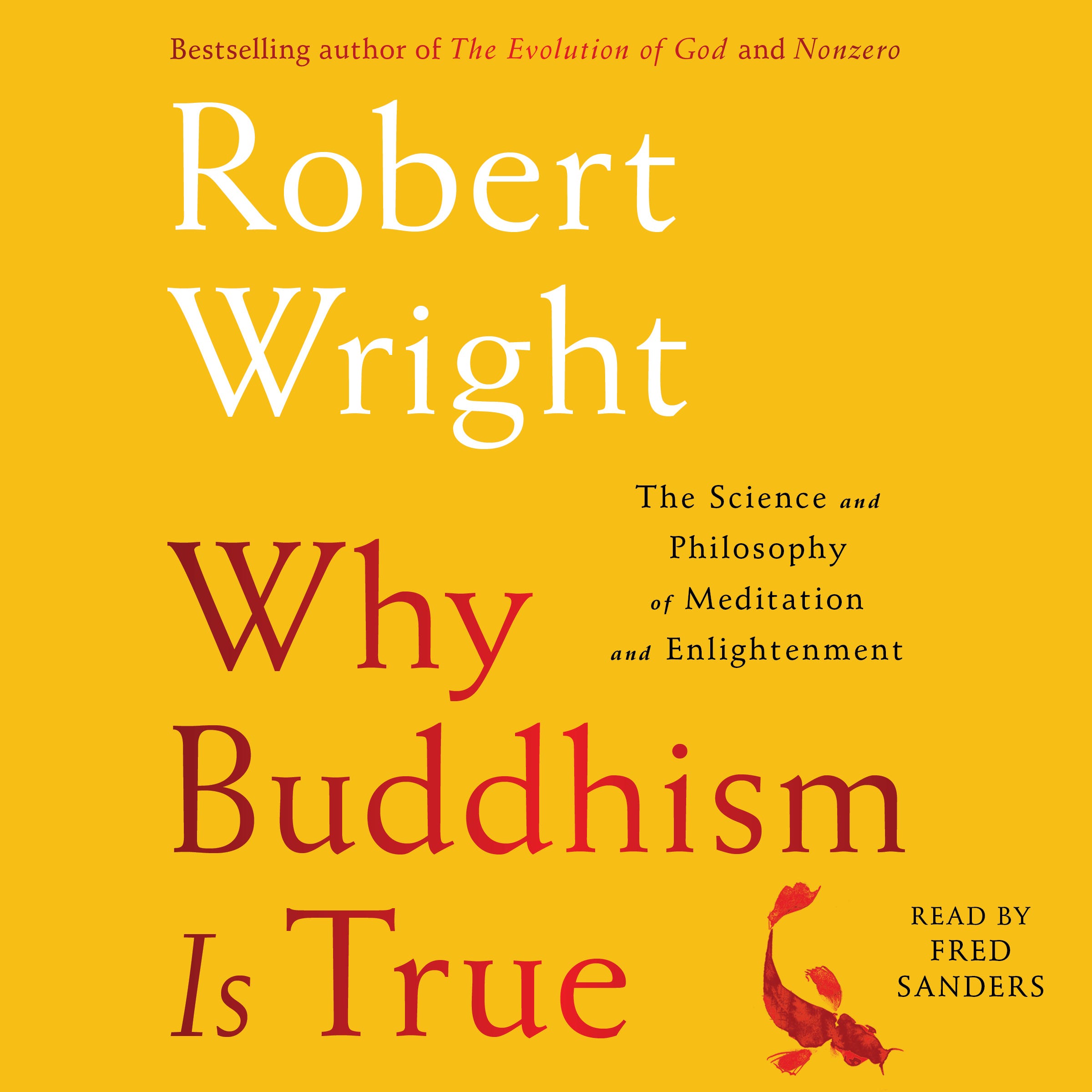
Why Buddhism is True, by Robert Wright. Honestly, I listened to the audiobook. And the title makes a promise that is provocative but scares too many folks off. If I were the editor, I wouldn’t have made this bet. But the book delivers. And for me, the book taught me an essential truth: You aren't your emotions. Who knew?
That’s a partial list. And there’s a lot more one can say.
I’m more interested in your answer to my son’s beautiful question.
And the thing that I’ve already learned: Your answers add up to an absolutely mouth-watering menu for the summer ahead.
(P.S. I've left the comments open to all for this one.)
It's gotta be Fred Rogers for me, even after all these years. Pick almost anything from the catalog, not just the well-known stuff like Officer Clemmons. Even his speech to the U.S. Senate.
New to following you. Kudos for engaging with your son. Kindness is contagious. Thank you.